The price of light is less than
the cost of darkness
Enlighten me
Based on Data
How we do it?
We believe that a good data project must start by asking great questions, these will drive great results, optimal reports and great analysis insights.
Our unique thinking cycle (the cool image on the right) is the way we have been helping business owners improve their digital marketing and business process since 2014.
We believe working with frameworks is the best way to achieve great results (take a look at some of them in the showcase below)
If you know WHY you do it, then you know WHAT to do and the HOW won’t be a problem
Data Collection & Automation


Data Reporting & Pipelines


Data Analysis & Activation




- Client and Server side tracking
- Holistic marketing & sales dashboards
- Market and competitors research
- Advanced analysis and CRO using ML & AI
- RFM, Arules, XGBoost, Neural Networks, Decision Trees
Think Flow
optimize
evolve
Frameworks, showcases & more
Using frameworks provides a structured approach that drives efficiency, consistency, and scalability. They act as a proven roadmap, predefined processes, best practices, and tools tailored to solve your challenges, whether in marketing or data analysis. our frameworks empower businesses to achieve their goals with clarity, agility, and confidence.
We use the Analytics maturity framework to assess and progress data utilization to drive decisions and create value.

The Descriptive Analysis stage is the first step in our roadmap.
We help the organization focus on understanding what has happened during user interactions or visits, capturing historical data effectively.
In the Diagnostic Analysis stage, we move forward with the organization to the first level of insight.
into why specific outcomes occurred, uncovering underlying patterns and causes.
The third step is Predictive Analysis, we now learn from the past and leverage models to forecast future interactions or behaviors, enabling proactive planning.
Prescriptive Analysis empowers the organization to make data-driven decisions, optimize outcomes, and simulate scenarios based on user behaviors.
Last but not least is the Prevention Analysis stage, the organization achieves the highest level of maturity, anticipating user needs, acting preemptively, and preparing strategies to meet demands before they arise, ensuring a seamless user experience.
FIRBI: Transforming Data into Actionable Insights At the heart of our approach is FIRBI, one of our most essential frameworks. It’s how we turn raw data into impactful business strategies.
We start with the Findings – the hard facts, no sugar-coating. For instance, discovering a 50% decrease in paid revenue is a plain, sometimes painful truth.
Next, we dive into Insights – analyzing the data to uncover the “why.” Where did this decline come from? It turns out the decrease is concentrated in generic campaigns and specific ad groups.
From here, we craft Recommendations. For example, optimizing CPC and ROAS in ad groups XYZ could address the issue.
Finally, we translate those recommendations into Business Insights. Why does this matter? By optimizing these ad groups and cutting non-converting keywords, you could reduce ad spend by 20%, increasing overall ROAS. Even better, you can redirect that savings to more profitable channels or invest in building brand awareness.
With FIRBI, we help you not just see the numbers but take action that drives growth.
We just love the simplicity and power of the MINIMAX framework. While many focus solely on increasing ROAS or cutting costs, MINIMAX takes a broader, more strategic approach. By breaking down lagging and leading indicators into utility functions, we ask two simple but powerful questions: What do we want to maximize? And what do we want to minimize? This straightforward mindset unlocks new avenues for optimization that might not have been on your radar. By thinking in terms of minimizing and maximizing, you discover opportunities to refine strategies and achieve results you didn’t initially anticipate.

Thinkvenn is one of our cores.
It’s so important we wrote a whole article about it on medium
simple framework that relies on a Venn diagram.
we place in these circles the 3 elements every business in the world must have.

The User
Every business must have users it wants to engage with, sell them, someone who is interested in what they have to offer.
The Platform
The platform is where the interaction between the users and the business happens.
This can be a website, an offline store or any place where the interaction occurs.
The Product
that’s what you offer, starting from ecommerce sites offering products, could be the content you want the users to read or engage with or gather leads.

Not all optimizations are created equal.
The Optimization Priority Method helps businesses rank and choose the most impactful improvements first, ensuring resource efficiency for maximum results.
Instead of making random tweaks, this approach considers key factors such as potential impact, effort required, data confidence, and business objectives to determine what to optimize first.
Unlocking Insights to Drive Performance

Segmentation is the cornerstone of understanding what drives exceptional performance and identifying the root causes of underperformance. It allows you to focus on user behavior and lifetime value rather than just single-session actions, providing deeper insights for smarter decision-making. Segments typically fall into four primary categories: Acquisition, Behavior, Conversion, and Post-Conversion.
Acquisition Segments
Analyze how users first engage with your brand and uncover opportunities for improvement:
- Traffic Channels: Email, PPC, organic, search vs. display. Is there a noticeable difference in bounce rates across these channels? Why?
- Keyword Performance: Compare brand keywords vs. non-branded keywords. Which drive more engagement?
- Cart Abandonment by Source: Are certain channels leading to higher cart abandonment rates?
- First Purchase Marketing Channel: What channels attract your highest-value customers?
- Paid Keyword Mix: Which paid keywords consistently attract loyal purchasers?
- Geographic Insights: Segment users by location to tailor messaging and offers based on regional performance.
Behavior Segments
Understand how users interact with your site to identify needs, intent, and friction points:
- User Type: New vs. returning visitors.
- Visit Frequency: Count of visits greater than X or returning users beyond a specific number of sessions.
- Time Spent on Site: Group users by time spent (<3 mins, 3-5 mins, 10-20 mins).
- Funnel Drop-Offs: Identify visitors who drop out of key conversion funnels.
- Cart Abandonment: Which product types or site sections are causing drop-offs?
- Content Engagement: FAQs – Are users finding answers, sending forms, or bouncing? What subjects are driving their engagement?
- Advanced Behavior Modeling: Use frameworks like RFM (Recency, Frequency, Monetary value) to predict user behavior.
- Product Preferences: Segment customers based on product type, category, or even home size for tailored targeting.
Conversion Segments
Identify patterns in purchasing behavior to maximize revenue opportunities:
- Converters vs. Non-Converters: Who is converting, and why?
- High-Value Customers: Users with twice the average order value or purchase frequency.
- Order Insights: Segment by first purchase value, product line, or marketing channel.
- Loyalty Indicators: Customers who’ve bought more than X times or make frequent purchases.
- Purchase Journey: Analyze days or visits to purchase and optimize the user journey.
- Personalization Opportunities:
- User-User Personalization: Recommend products based on similar user behavior.
- Item-Item Personalization: Highlight products based on shared preferences for specific items.
Post-Conversion Behavior
Keep the relationship alive by analyzing what happens after the first conversion:
- Next Engagement: Are users coming back for information, repeat purchases, or upsell opportunities?
- Product Use Cases: Are users seeking resources on how to use your product or troubleshooting guides?
- Repeat Purchases: How quickly do they come back to buy? What products or services are most popular on return visits?
- Time to Next Purchase: Identify windows for engagement and re-engagement strategies.
- Cross-Sell Opportunities: Understand patterns in post-purchase product combinations to drive additional revenue.
Personal Segments (Demographic, personal, psychographics)
Age: Create age-specific campaigns, such as targeting younger audiences with social media ads or older audiences with email newsletters.
Gender: Personalize product recommendations or messaging for men and women based on their preferences or purchasing habits.
Hardiness Zone: For gardening businesses, segment customers by their geographic hardiness zone to recommend plants or products suitable for their climate.
Garden Size: Offer tailored products or bundles for small balcony gardens, medium-sized yards, or large-scale landscaping projects.
Income Level: Segment by income to target luxury buyers or offer budget-friendly options.
Psychographics: Analyze user lifestyles, interests, or values (e.g., eco-conscious, DIY
enthusiasts) to create campaigns that resonate emotionally.
Family Status: Tailor messaging to families, single professionals, or retirees based on their household needs.


The RFM (Recency, Frequency, Monetary) model is an amazing simple framework in customer segmentation.
By using it we enable businesses to identify and prioritize their most valuable customers.
Recency describes how recently a customer made a purchase
Frequency, how often they purchase, and Monetary value how much they spend.
businesses can tailor their marketing efforts with precision both on media and onsite behaviors (such as popups)
Implementing the RFM model allows for highly targeted customer engagement, such as reactivating dormant customers, rewarding loyal buyers, or identifying high-value segments for upselling and cross-selling opportunities.
The results?
Increased customer retention, higher lifetime value, improved ROI on marketing campaigns, and more efficient resource allocation.
With RFM, businesses move beyond generic targeting, ensuring personalized strategies that maximize revenue and customer satisfaction.
Defining your top five buyer personas is a powerful way to sharpen your marketing strategy and enhance customer engagement. By identifying key characteristics, behaviors, and pain points of your most valuable customer segments, you can tailor messaging, product offerings, and marketing channels to align with their needs. This leads to more personalized experiences, higher conversion rates, and stronger customer loyalty.
For instance, segmentation based on RFM modeling allows you to profile high-value customers like brand loyalists, gift seekers, and window shoppers. A great example is users coming from Google Dynamic Ads—they’ve already searched for your product, seen the price, and clicked, signaling high purchase intent. Now, it’s up to you to seal the deal by optimizing their landing page, refining CTAs, and anticipating their next steps. Is their goal to purchase? Find more information? Request a service? Identifying these factors allows you to fine-tune the experience and remove friction.
While there are countless persona profiles you can create, too many can slow down execution. Start with a few core personas and expand as your analytics maturity grows


Our Metrics Control Room is designed for advanced data analysts who need a deeper, more statistical perspective on their key metrics.
Here, you can explore critical statistical views, including minimum, maximum, range, trends, and distributions, giving you a clearer understanding of how your metrics behave over time.
This powerful tool helps you identify anomalies, detect trends, and uncover hidden opportunities that might be missed in standard reporting.
Whether you’re spotting outliers or optimizing performance, the Metrics Control Room gives you the analytical edge to make data-driven decisions with confidence.

Our Product Potential Graph is a powerful visualization that helps you understand product performance and optimize your sales strategy.
We categorize products into four key segments:
- Top Performers (High Add-to-Cart, High Purchases)
These are your best-selling, high-converting products.
Invest in scaling them further through promotions, retargeting, and inventory prioritization. - Potential Products (High Add-to-Cart, Low Purchases)
These products attract interest but struggle to convert.
Is it pricing, checkout friction, or missing incentives?
Optimizing these areas can unlock massive revenue potential. - Underperforming Products (Low Add-to-Cart, Low Purchases)
These may need a complete strategy shift
better positioning, improved product descriptions, or reconsidering their place in your catalog. - Regular Products (Low Add-to-Cart, High Purchases)
These generate solid sales despite lower engagement.
Could targeted promotions or upselling increase their visibility and growth?
By analyzing this graph, you can spot hidden opportunities, identify conversion gaps, and refine your product strategy
Turning insights into action for smarter, more effective decision-making.

Monetization Framework: Turning Insights into Revenue
A well-structured Monetization Framework helps your business systematically identify, measure, and maximize opportunities across your digital platforms.
The framework enables data-driven decision-making by breaking down user interactions, optimizing conversion pathways, and quantifying lost opportunities.
By using this framework, you can identify key revenue drivers, quantify their financial impact, and act on data-backed insights.
This ensures that every decision you make contributes to measurable growth, maximizing profitability and reducing missed opportunities. 🚀
Key Components of the Monetization Framework:
- User Behavior & Engagement Metrics
- Revenue Impact Measurement
- Opportunity Cost & Delayed Action
- Optimization Prioritization
- Iterative Testing & Continuous Growth

A Pacing Dashboard is an essential tool for you to track performance against targets in real-time, ensuring that budgets, revenue, and key KPIs stay on course.
The provided visuals illustrate how businesses can monitor daily spend, revenue, and performance trends to adjust strategies dynamically.
You will maintain full visibility into your marketing performance, make data-driven optimizations, and ensure targets are consistently met without overspending or missing opportunities.
Key Elements of a Pacing Framework:
- Planned vs. Actual Performance
- All your KPIs at a Glance
- Identifying Gaps & Opportunities
- Dynamic Budget Allocation
- Daily & Cumulative Tracking for Precision

LTV Cohort Analysis: Unlocking Customer Value Over Time
LTV Cohort Analysis is a critical tool for your understanding of how customer value evolves over time.
By tracking different customer cohorts based on their acquisition month and monitoring their cumulative revenue contribution, businesses can identify trends in retention, monetization, and overall customer profitability.
The framework helps your business maximize customer profitability, optimize acquisition strategies, and improve long-term retention efforts.
By leveraging the dashboard insights, you can focus on high-value customers, reduce churn, and make data-driven growth decisions.
Key Components of the LTV Cohort Framework:
- Cohort Segmentation
- Month-over-Month Customer Value Growth
- Total Revenue per Cohort
- Retention & Drop-Off Trends

Customer Retention Analysis: Measuring Long-Term Value
Customer retention is a critical metric for business growth, as retaining existing customers is significantly more cost-effective than acquiring new ones.
The dashboard provides a detailed breakdown of how many customers continue to engage and purchase over time, helping you identify patterns, optimize retention strategies, and improve lifetime value.
Key Components of the Retention Framework:
- Cohort-Based Retention Tracking
- Month-over-Month Retention Trends
- Total Retained Customers & Retention Percentage
- Identifying Retention Trends & Issues
- Optimizing for Better Retention
High retention rates correlate directly with higher customer lifetime value (LTV), improved profitability, and sustainable business growth.
You can reduce churn, improve customer satisfaction, and drive long-term success. 🚀

Media Control Room: A Unified View of Performance Across Channels
The Media Control Room dashboard provides an overview of your advertising performance across multiple platforms, allowing you to monitor all your key metrics.
This powerful dashboard enables businesses to quickly assess the health of their media campaigns, identify areas of improvement, and make agile adjustments to drive better results.
Key Features of the Media Control Room:
- Holistic Performance Monitoring
- Platform Performance Breakdown
- Trend Visualization
- Cost & ROI Management
- Channel-Specific Insights
- Data-Driven Adjustments
See how our frameworks can accelerate your success.
Let’s TalkThinkHub
One of the things we believe in life is that “You will get all you want in life if you help enough other people get what they want.” – Zig Ziglar On top of the on-going data services we provide more services to help your business use data more efficiently and effectively. We love helping organizations and your team really understand data and how to extract insights from the data.




Happy partners, happy us.
We love helping brands discover new ways to turn data into stories, strategies, and success. We are proud to collaborate with some of the most forward-thinking brands, helping them turn data into growth, innovation, and real business impact. Together, we transform data into better decisions, better experiences, and better results.


Golf Group
Golf Group is a household name, with almost every customer owning at least one item from its extensive range of fashion, lingerie, kids, and home brands.
This product diversity gives us the perfect foundation to create holistic, behavior-driven customer journeys.
We partner with Golf to analyze both online and offline user behavior, using a suite of custom-built tools and frameworks.
From automated anomaly alerts to media performance dashboards and LTV cohort analysis, we help the team uncover insights that drive growth.

Meitav
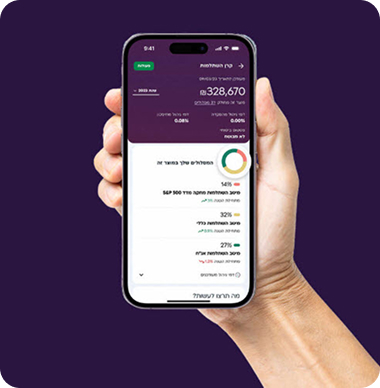
As one of Israel’s leading investment houses, Meitav knows that better data leads to better decisions.
We help them turn analytics into action—bringing in new clients, reducing churn, and increasing customer LTV across both web and app environments.
Leveraging a mix of Firebase and server-side Google Tag Manager for enhanced tracking and data accuracy, we’ve built a full-funnel measurement ecosystem that gives Meitav end-to-end visibility over user behavior and campaign performance.


Elcalil
As the global leader in luxury beauty, Elcalil manages iconic brands such as MAC Cosmetics, Clinique, Estée Lauder, Bobbi Brown, and Jo Malone—with a singular focus on premium skincare, makeup, fragrance, and haircare experiences.
To support their digital growth, we implemented a custom measurement model using our proprietary ThinkVenn framework, aligning business goals with campaign performance and user behavior across platforms.


Duve
Duve is redefining the hospitality space with a platform built for personalized guest experiences, operational digitalization, and revenue growth.
As the go-to solution for modern hotels and short-term rentals, Duve empowers hospitality brands to delight guests while scaling smarter.
To support this mission, we built a comprehensive C-level dashboard ecosystem that brings together data from HubSpot, Salesforce, GA4, and advertising platforms—providing a unified view of performance, marketing, and operational metrics.


College of Management
As one of our longest-standing partners, we’ve been working with the College of Management since 2013—back when Google Analytics meant Classic GA (pre-Universal!).
From day one, we’ve led the development of their measurement strategy, evolving and optimizing it every quarter to keep pace with changing platforms, behaviors, and goals.
Our goal is to boost student enrollment, enhance open day impact, and map the full decision-making journey. To achieve this, we used GA Measurement Protocol to unify online and offline activity into a single student journey.


TytoCare
TytoCare is revolutionizing remote healthcare by bringing clinical-grade exams into the hands of families, no matter where they are. Operating primarily in the U.S. healthcare space, we collaborate closely with Tyto under strict PII, HIPAA, and health data compliance standards.
Together, we’re using data to bring more people closer to quality care—responsibly, securely, and at scale.
We support Tyto’s data infrastructure and growth by integrating a full analytics stack, including Google Analytics, Google Tag Manager, BigQuery, Looker Studio, Braze, AWS, and internal tools.


Global-e
Global-e simplifies international e-commerce by enabling brands to sell globally with the same ease as they do locally.
From currency and language localization to tax, shipping, and compliance, Global-e offers a full-stack solution that empowers merchants to seamlessly expand into global markets.
Partnering with some of the world’s most iconic brands—Nike, Hugo Boss, and many more—we helped Global-e build a robust, scalable analytics infrastructure tailored to the unique challenges of localized commerce at scale.

Hi Mami
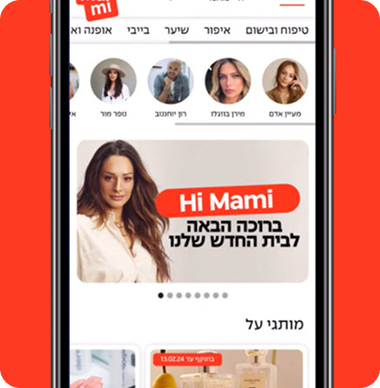
Hi-Mami is one of the most innovative customer clubs in Israel, led by Maayan Adam, and built to deliver exclusive, high-impact deals from leading local and international brands.
The club not only connects shoppers with unbeatable promotions, but also empowers social influencers to promote curated products, creating a dynamic ecosystem of content and commerce.
To support this fast-paced model, we built a custom affiliate program infrastructure that provides the Hi-Mami team with full visibility into the end-to-end flow of each promotion, including real-time revenue tracking.


Yad2
As Israel’s leading classified platform, Yad2 connects millions of buyers and sellers across four core verticals: Real Estate, Vehicles, Drushim IL (Jobs), and Second-Hand Goods.
We partnered with Yad2 to enhance platform performance through data-driven intelligence. On the buyer side, we helped map and analyze user behavior around ad interactions, identifying key signals of interest and intent.
On the seller side, we developed a custom data model designed to improve lead generation, ad exposure, and seller efficiency, ensuring more value is delivered to every advertiser.


Sheba Medical Center
Consistently ranked by Newsweek as one of the Top 10 Hospitals in the World, Sheba Medical Center is a global pioneer in medical innovation, pushing the boundaries of healthcare through cutting-edge research, technology, and international collaboration.
While we deeply value digital transformation, our work with Sheba goes beyond the screen.
We focus on analyzing and improving the full human experience—from the first digital touchpoint to the moment a patient walks through the hospital doors.
 Solution
Next level
friends

Partners we call friends